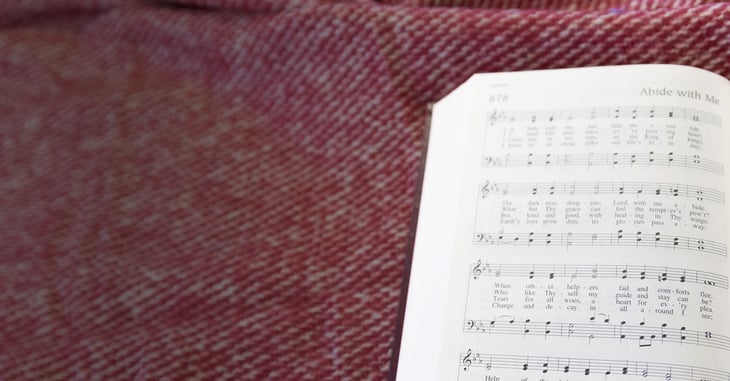
Evening Hymns for the Close of the Church Year

November 20, 2018
Abide with me, fast falls the eventide.
The darkness deepens; Lord, with me abide.
When other helpers fail and comforts flee,
Help of the helpless, O abide with me.
(“Abide with Me,” LSB 878, Stanza 1)
So was my family’s anthem nearly every evening when I was little. We made it our own with little added embellishments, as kids (and sometimes dads) are wont to do, and then scurried off to bed (always obediently and willingly, I might add—just don’t tell my mom I said that). Little did we know the preparation that was taking place, the ultimate preparation in life: we were preparing to die.
Five Simple Ways for Church Organists to Improve their Playing

November 13, 2018
Between learning music for each week, leading rehearsals, teaching, and keeping up with regular life responsibilities, it can be hard for working church musicians to focus on their musical growth. But growing as a musician is one of the most important and fun parts of your work. So how do you make it happen?
Here are some simple ways to keep your musical growth a priority as you keep up your regular responsibilities at church.

Prayer Hymns: One Immense Voice Raising Supplication to God
October 23, 2018
Have you ever attempted an extempore prayer? I know I have been in many situations in which someone calls upon me to offer a prayer, and I confess I don’t have many memorized beyond the basics (the Lord’s Prayer, Luther’s Morning and Evening Prayers, etc.). The ability to compose a prayer on the spot is important to learn, but oftentimes, previously composed prayers are more thorough and eloquent.
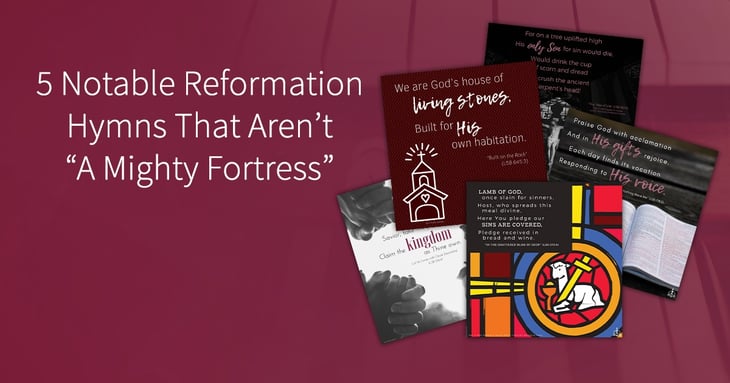
5 Notable Reformation Hymns That Aren’t “A Mighty Fortress”

October 9, 2018
It’s almost Reformation Day, and that means we get to enjoy hearing some of Lutheranism’s most famous hymns. (“A Mighty Fortress Is Our God,” I’m looking at you!) If you’re looking for some additional Reformation-related hymns to use around this time, consider using the ones mentioned below. We selected most of these by using the hymn search tool in Lutheran Service Builder with the keyword “Reformation.”
We also have created social media graphics with quotes from the selected hymns, and they are all shown below. At the end of the post, you can download the graphics for free and use them on your church’s social media accounts.
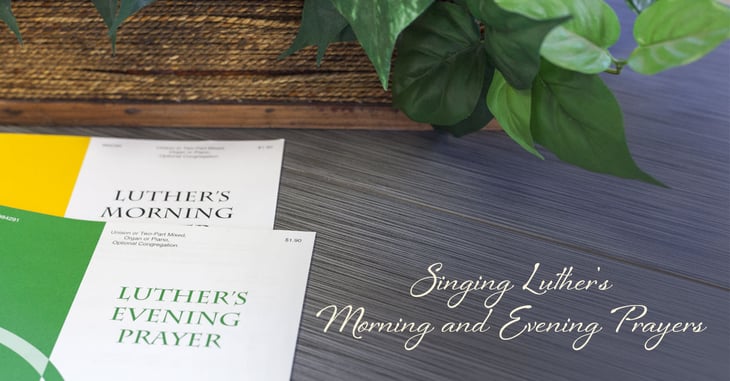
Music for Luther’s Morning Prayer and Luther’s Evening Prayer

October 3, 2018
Scripture teaches us to bring our needs daily to our Heavenly Father in Christ’s name. To help families and children understand this important truth, Martin Luther wrote two short prayers for individuals and families to use in the morning and evening before going to sleep. Now the simplicity and devotion of Luther’s Morning Prayer and its companion, Luther’s Evening Prayer, have been put to music by John A. Behnke.
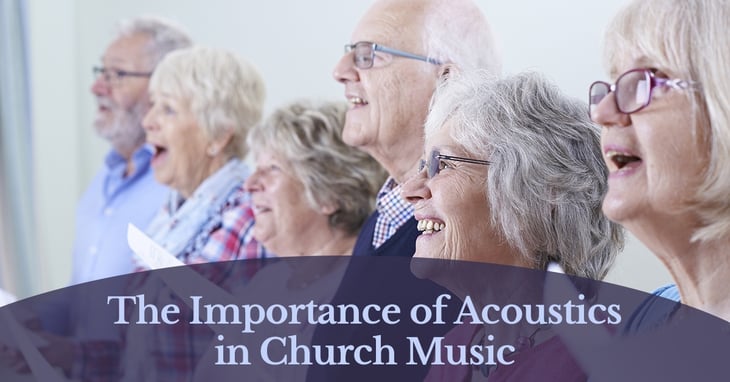
The Importance of Acoustics in Church Music
September 25, 2018
Worship encourages even the most hesitant participant to take part in the hymns, songs, and liturgy. This post considers the role that good acoustics play when encouraging full participation in worship.
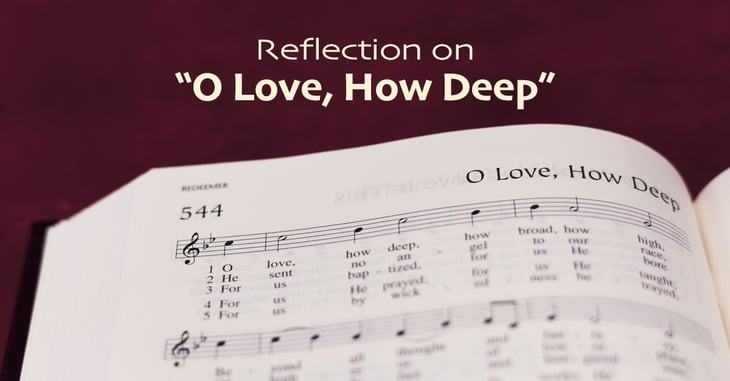
Reflection on “O Love, How Deep”
September 19, 2018
The Christian faith presents certain truths about Jesus Christ—His birth, death, and resurrection, to name a few—and teaches that these events were real. Many people consider our faith as simply believing in Jesus; however, Scripture tells us that even the demons believe in Jesus (James 2:19). Our faith rests on something deeper: Jesus became man, died, and rose for us. Perhaps no hymn speaks to this simple yet glorious truth better than “O Love, How Deep.”
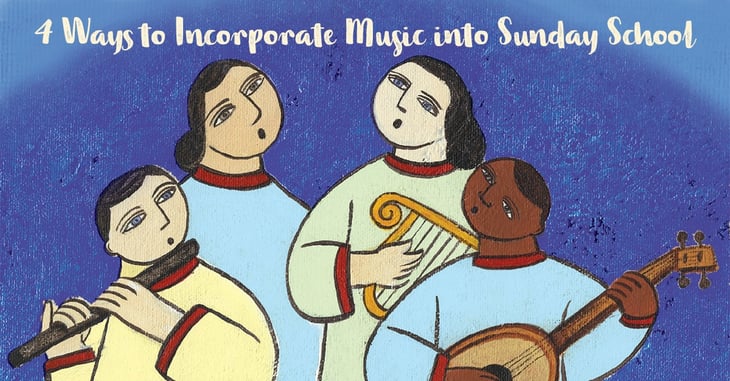
4 Ways to Incorporate Music into Sunday School
September 11, 2018
With such a short amount of time for instruction, Sunday School teachers can find it difficult to fit music into class time. Especially challenging is having the music support and add value to the existing curriculum. Here are some ideas you can share with teachers at your church for smoothly incorporating music into Sunday School in a meaningful way.
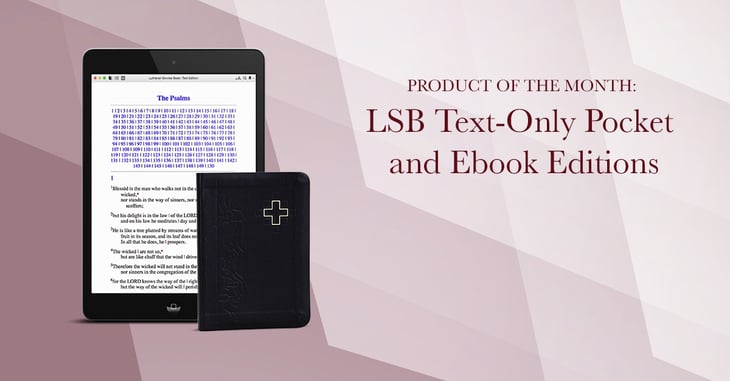
Product of the Month: LSB Text-Only Pocket and Ebook Editions
September 4, 2018
There’s no question that Lutheran churches often love tradition, and yet many churchgoers benefit from the options technology brings. Along that vein, CPH Music is excited to release two new editions of Lutheran Service Book. One is a pocket-size hymnal, which is reminiscent of generations past. The other is a text-only ebook, for those who are more future-minded.
Why Ancient Music Matters in the Church Even Today
August 21, 2018
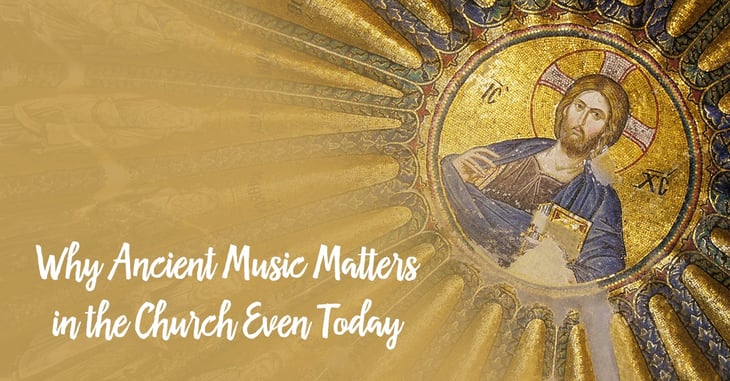
A music history professor once painted this picture for me: “Imagine you are a commoner in the Middle Ages, slaving away in the fields every day. Now imagine you walk into church. When it is cold outside, the church is warm. When it is hot outside, the church is cool. Now imagine you come into church and hear this.” And she played for us a Gregorian chant.
Featured
Using the Full Set of One and All Rejoice Recordings in Your Classroom

Music of the Month: Lord, Thee I Love: Partita on “Herzlich lieb”
3 Hymns for the Feast of St. Michael and All Angels—September 29

Music of the Month: My Beloved Sets for Me a Banquet from Above

Popular
The Doxology in Worship


How to Arrange the Sacred Vessels for Holy Communion

Altar Guild’s Guide to the Types of Communion Vessels