
Recent Posts by Concordia Publishing House

3 Hymns for the Feast of St. Michael and All Angels—September 29

August 25, 2026
The Feast of St. Michael and All Angels is celebrated on September 29 of each year. Lutheran Service Book (LSB)contains hymns that fit wonderfully with many of the feasts and festivals, yet you might not know the history about why they were chosen to represent these days. Read about three hymns chosen in LSB for this feast day and the breathtaking history that ties them to St. Michael and All Angels.
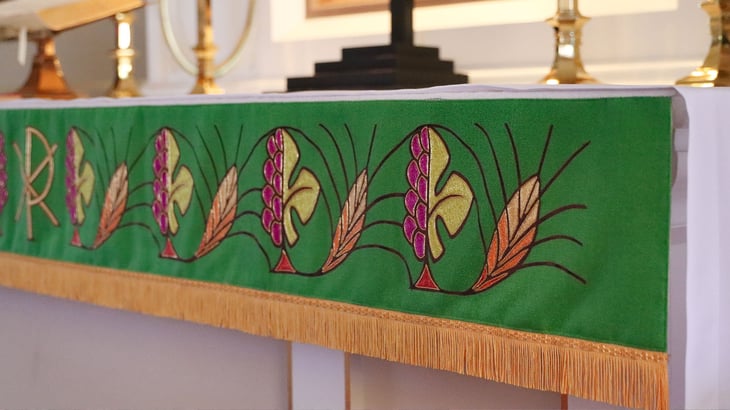
A Simple Guide to Liturgical Colors
June 16, 2026
The liturgical colors are those colors that are used for paraments, vestments, and accessories such as banners and other decorations. Color is an adjunct to the worship of the Church but contributes to the times and seasons of the Church Year.

The Rich History of Three Pentecost Hymns
April 21, 2026
Following the season of Easter is the Day of Pentecost, celebrating the narrative recorded in Acts 2 of the Holy Spirit descending onto followers of Christ and allowing them to speak in multiple languages. What God is able to do here is a powerful account of how the Holy Spirit works through people, breaking through human barriers, to share the Good News of salvation to all. Read the history of three hymns for Pentecost below, excerpted from Lutheran Service Book: Companion to the Hymns, that includes some surprising facts and details that will enrich your understanding of each hymn text.

The History of Three Popular Hymns for Confirmation Services
March 24, 2026
Confirmation comes around each year as students confirm the faith into which they were baptized and promise to cling to that faith by God's grace until death. This celebration is filled with hymns that rejoice in the student’s confirmation and give praise to the Lord for keeping watch over them. As you prepare for confirmation services, consider the three hymns below. Each one has a historical connection to confirmation that you can read about with excerpts from Lutheran Service Book: Companion to the Hymns.

How to Prepare the Church Sanctuary for Lent and Holy Week
January 27, 2026
Lent [and Holy Week] begins the second great division of the Church Year. Lent is a time of preparation for Easter. In the Early Church it was a period of preparation for the Sacrament of Holy Baptism, which would take place on the Vigil of Easter. This preparation included fasting and other spiritual disciplines. Along with the emphasis on baptismal preparation, but perhaps not associated directly with it, was the use of Lent as the final period of penance in preparation for the rite of reconciliation on Maundy Thursday. After both of these purposes fell away, Lent became a period of general devotional preparation for Easter. Nevertheless, the earlier emphases remained, and Lent was marked by rigorous penitence and austere spiritual discipline. During the period of Lutheran Pietism, these strict practices were aided by an excessive fixation on the Passion of Jesus.

Easy Ways to Use a Children’s Hymnal in the Classroom
July 22, 2025
Incorporating a new children’s hymnal into your classroom might be easier than you think! There are many ways you can teach the faith through a hymnal, such as learning to sing a hymn in a foreign language, which can benefit children in the future. Singing hymns can also help children memorize important Christian themes. Using One and All Rejoice makes teaching through hymns easy.
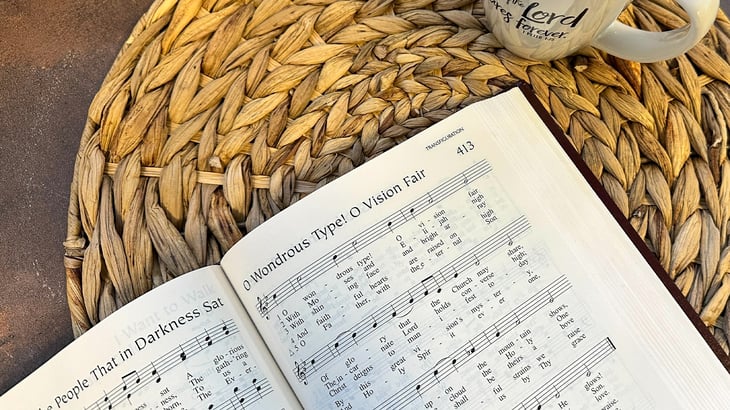
History of the Hymn of the Day
May 19, 2025
Each Sunday, the regular rhythm of worship includes singing the Hymn of the Day. It helps guide you and other Christians through our beautiful Church Year in song. Do you know how the Hymn of the Day came to be part of our worship services? Read an excerpt from Lutheran Service Book: Companion to the Services to learn how Martin Luther saw value in having this and how Lutherans encouraged the practice through robust hymn writing.
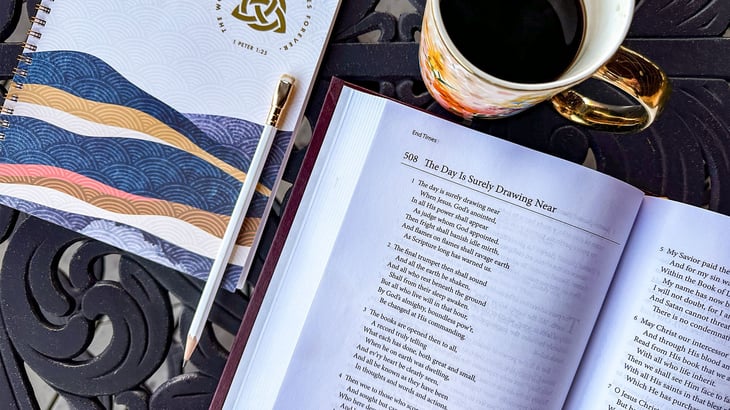
Lutheran Service Book: Hymn Devotions throughout the Church Year
March 25, 2025
There’s a rich history to all of the hymns in Lutheran Service Book. This history easily lends itself to beautiful devotional materials that blend seamlessly into the Church Year. Read these excerpts from five different hymns spanning the entire Church Year from Lutheran Service Book: Devotional Edition to see how this fantastic book can bring you deep, meaningful devotions.

75 Years of Musical Excellence
February 11, 2025
February 1, 2025, marked the 75th anniversary of Concordia Publishing House’s Music department. That’s three-quarters of a century dedicated to publishing organ, choral, and handbell settings. Almost a lifetime of bringing you hymnals and music books to enhance your personal playing or congregational offerings. In celebration of these 75 years, we wanted to share some fun facts and questions. Put your knowledge to the test and see how much you know below.

Top Children’s Hymns for Every Season of the Church Year
January 28, 2025
We sing what we love. We love what we know. And much of what we know and love we learned in childhood. This is especially true of hymns and songs that are impressed on our minds and hearts early and stay with us throughout our lives. It is imperative, therefore, that we give our children the very best hymns and songs of the church. Learn how you can use One and All Rejoice for every season of the Church Year.
Featured
Instrumental and Choral Selections for Weddings

Music of the Month: Reformation Prisms
Using the Full Set of One and All Rejoice Recordings in Your Classroom

Music of the Month: Lord, Thee I Love: Partita on “Herzlich lieb”
Popular
The Doxology in Worship


How to Arrange the Sacred Vessels for Holy Communion

Altar Guild’s Guide to the Types of Communion Vessels