
Tips on Leading a Student-Focused Youth Group

November 5, 2026
When I was a brand-new youth worker, I was pretty sure I had it all figured out. I had a large youth ministry program, every event we did was “successful,” and there was a lot of positive momentum coming from the ministry. Just when I thought I had cracked the code for youth group success, I graduated two classes of around 30 youth and at the same time only had two youth confirmands. I had graduated around 75 percent of my regular group and “replaced” them with only a pair of freshmen. All of a sudden, the program that I was so proud of, all the events that were so well received, all of it had to be reevaluated for a much smaller group.

Ministry Ideas for Preteens and Their Families

October 22, 2026
In family ministry, different ages matter. Kids who are younger need more tangible lessons, but as kids get older, the modes of teaching them can change too. They don’t need the most colorful pictures, they can listen to more examples, and they can read more on their own.

5 Ways to Foster Connection at Your Youth Group Kickoff
July 2, 2026
First impressions matter. That’s why planning a kickoff event can be rather stressful, particularly for a youth ministry. To cut through the stress and noise, focus everything you do at this event on one word: connect. That’s your goal. As the youth leader or youth planning team, you want to connect with each student there. You want them to make connections with one another. You want them to deepen in connection to your church and to their faith. You want them to connect with God’s Word. Connection is the glue that helps someone to “stick” with a youth program throughout the year.

5 Steps for Creating a Youth Ministry Identity Statement
January 8, 2026
The most common question asked of anyone in their teenage years is some variation of this one: “What are you going to be when you grow up?” Youth will answer this in many different ways.
Ask These 7 Questions When Choosing Youth Ministry Curriculum
December 4, 2025
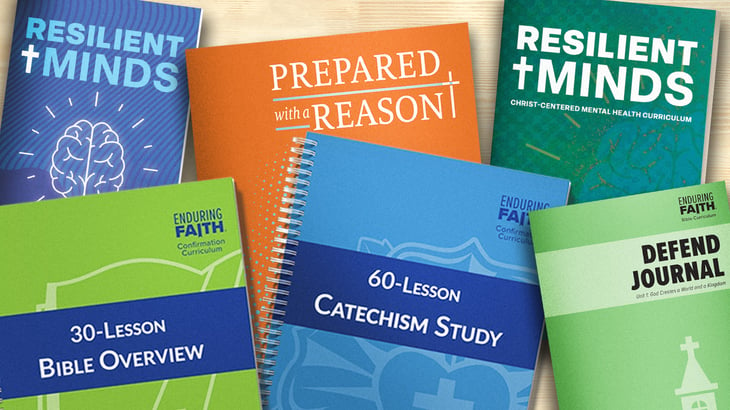
To say that there are plenty of youth ministry curriculum options out there would be an understatement. But how do you sift through your options to land on one that truly benefits your youth and points them to Christ? This blog, excerpted from Connected for Life: Essential Guide to Youth Ministry, suggests some questions to ask yourself when choosing youth ministry resources.

How Healthy Youth Ministry Addresses Vocation

January 2, 2025
In a recent Barna webinar, David Kinnaman said that the two words that best describe Generation Z (those born from around 1996 to 2010) are anxiety and ambition. The church is uniquely qualified to speak to both. Youth and young adults are looking for a source of identity they can trust and a purpose for their daily work. We know that God provides both in their baptismal identity and in our vocational theology.

Ideas for Encouraging Parental Involvement in Youth Ministry
October 3, 2024
Healthy youth ministry extends past the congregation and into teens’ homes. When we considered what young people need, Scripture, research, and youth leaders all pointed to parents as paramount. Parents are gifted with the role of primary instructor and example for their children in the Christian faith. In healthy youth ministry, engaged parents are seen as partners. Youth leaders communicate, support, and train parents as together they look to help young people be disciples for life.

How to Encourage Young Leaders in Youth Ministry
September 6, 2024
Think back to your first leadership opportunity. Were you nervous, eager, confident, or terrified? Do some of your choices then make you cringe now and thank God for His grace? Who helped you along the way? Young leadership has an uneven learning curve that requires mentors who are willing to walk alongside you in those ups and downs.

Top Three Books for Young Adult Ministry

August 22, 2024
As part of the Body of Christ, we experience both joy and challenges: God calls us to be united in Him, yet unique in our individuality. Within the church, we engage with people in all seasons of life, from newborns to young adults in their twenties, to those long past retirement. Although we all have the same need for salvation through faith in Jesus, each age group comes with different contexts and experiences. Read on to discover the top three materials to reach out intentionally to young adults in your congregation.

Affirming Baptismal Identity in Your Youth
April 11, 2024
Early adolescence is an especially formative time in the life of a Christian—not only as youth take ownership of their faith for a future of following Christ, but also as they contribute to the Body of Christ in the “here and now” at the congregational level. The following post, excerpted from Seven Practices of Healthy Youth Ministry, expounds on this with practical advice from Youth Ministry professionals, Julianna Shults and Mark Kiessling.
Featured
Remembering God’s Blessings as a Family

Tips on Leading a Student-Focused Youth Group

Ministry Ideas for Preteens and Their Families


Popular

Teaching the Differences between Christianity and Buddhism

Teaching the Differences between Christianity and Hinduism

Teaching the Differences between Christianity and Islam