
Recent Posts by Brandon Metcalf

5 Ways to Foster Connection at Your Youth Group Kickoff

July 2, 2026
First impressions matter. That’s why planning a kickoff event can be rather stressful, particularly for a youth ministry. To cut through the stress and noise, focus everything you do at this event on one word: connect. That’s your goal. As the youth leader or youth planning team, you want to connect with each student there. You want them to make connections with one another. You want them to deepen in connection to your church and to their faith. You want them to connect with God’s Word. Connection is the glue that helps someone to “stick” with a youth program throughout the year.

Tips for Leading a Student-Focused Confirmation
May 21, 2026
During my time in full-time church ministry, both as a director of Christian education and now as a pastor, I’ve thought a lot about confirmation—and I’d guess most church workers have too. How can we best teach confirmation? Do we need to update the curriculum again this year? Which age range works best? How should parents or other supportive adults be involved? Is there some way we can get out of teaching confirmation altogether?

5 Steps for Creating a Youth Ministry Identity Statement
January 8, 2026
The most common question asked of anyone in their teenage years is some variation of this one: “What are you going to be when you grow up?” Youth will answer this in many different ways.
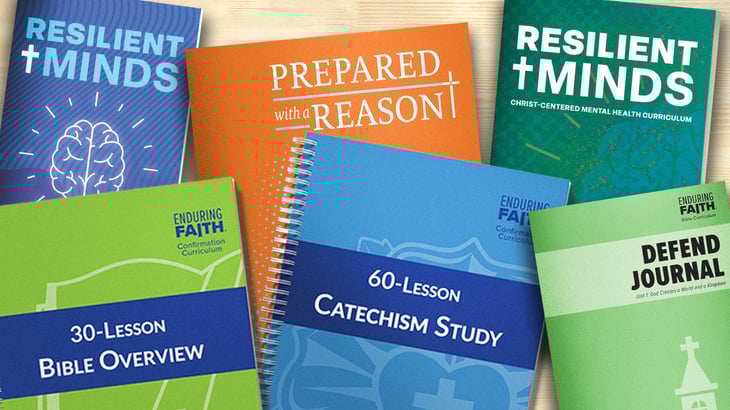
Ask These 7 Questions When Choosing Youth Ministry Curriculum
December 4, 2025
To say that there are plenty of youth ministry curriculum options out there would be an understatement. But how do you sift through your options to land on one that truly benefits your youth and points them to Christ? This blog, excerpted from Connected for Life: Essential Guide to Youth Ministry, suggests some questions to ask yourself when choosing youth ministry resources.

5 Ways to Encourage Meaningful Discussions in Confirmation Class
September 25, 2025
“How do I teach confirmation class?” “How do I deal with confirmation students who don’t seem to be paying attention?” “Is it just me, or is it harder to engage students in learning today than it used to be?” These are the types of questions that I’ve received over the years from many of my seminary classmates, who hoped that my DCE experience could help fill in some gaps for them. Ironically, these questions are also frequently asked by youth workers, teachers, and other education professionals. Creating meaningful dialogue in the confirmation setting is an almost universal challenge.

Featured

Connecting Doctrine and Church History in the Classroom

How to Instill Faith Habits in Your Home

Blessing Students for a New School Year

Popular

Teaching the Differences between Christianity and Buddhism

Teaching the Differences between Christianity and Hinduism

Teaching the Differences between Christianity and Islam